
Painkillers for Period Pains: Do’s and Don’ts
Painkillers can be helpful in managing menstrual cramps, which are common during a woman’s menstrual cycle. Non-prescription pain relievers, such as ibuprofen and naproxen, can provide relief by reducing inflammation and blocking pain signals.
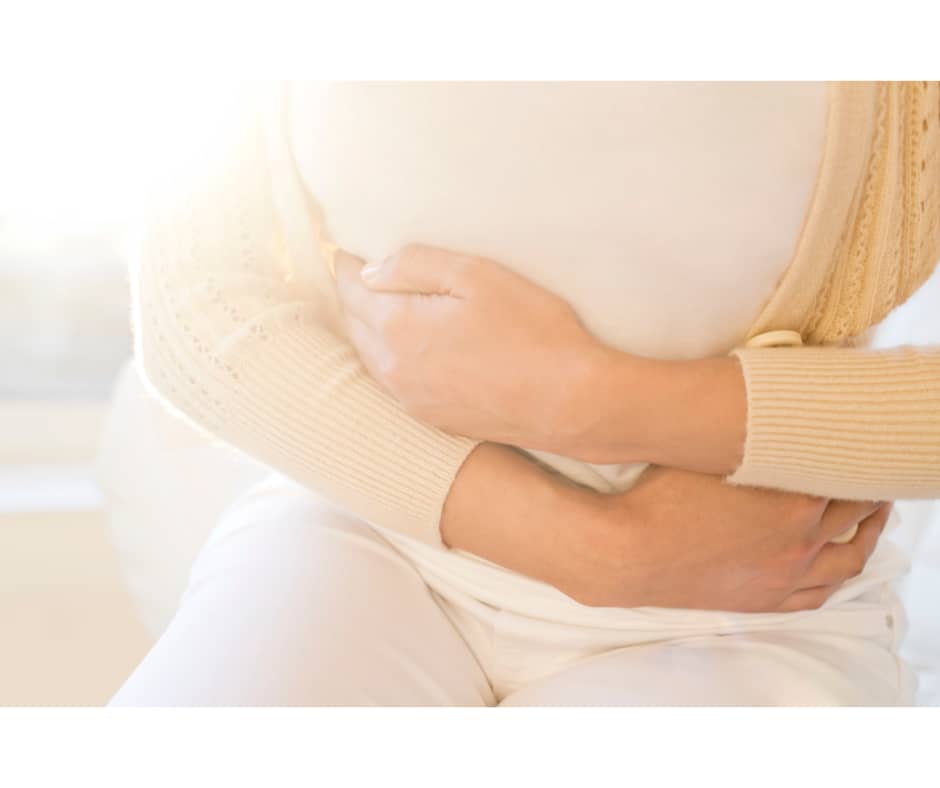
Dos and Don'ts for Using Painkillers for Menstrual Cramps:
Do’s: Helpful Practices
- Consult your female gynaecologist Before starting any painkiller regimen to discuss your symptoms, medical history, and appropriate pain relief options.
- Follow Recommended Dosages as prescribed by your doctor or gynaecologist in Secunderabad. Avoid exceeding the recommended dose.
- Start taking painkillers at the onset of menstrual cramps or even slightly before if you know when to expect them. This can help prevent severe pain.
- Stay Hydrated – Drink plenty of water while taking painkillers to prevent dehydration, which can exacerbate cramps.
- Combine with Non-Pharmacological Methods -Use heating pads, relaxation techniques, or light exercise alongside painkillers for enhanced relief.
Don’ts: Things to Avoid
- Don’t Exceed the Recommended Dosage – Overusing painkillers, especially non-prescription NSAIDs, can lead to adverse side effects and damage to your stomach lining.
- Do not consume alcohol while taking painkillers, as it can increase the risk of side effects and negatively interact with the medication.
- Taking painkillers on an empty stomach can lead to stomach irritation. Have a light meal or snack before if possible.
- Avoid using painkillers for an extended period without medical guidance. Chronic use can lead to tolerance and dependence.
- Do not combine multiple painkillers without consulting a healthcare provider, as this can increase the risk of side effects and drug interactions